Let me start with a confession: I’m composing this piece about how we politicize college kids for college kids. Irony? I hope it’s a form of immersion journalism. In actuality, however—why exactly are we trying to turn each potential poli-sci major into a political advocate?
Every generation gets accused of being America’s weakest link in a round of “Back in my day…” monologues. Gen Z specifically took a tongue-lashing. We’re snowflakes, communists, and TikTok-obsessed sheep. The underlying accusations behind all the name-calling are more insidious, however: we’re not merely being chastised, we’re being targeted.

Political Puberty and the College Battlefield
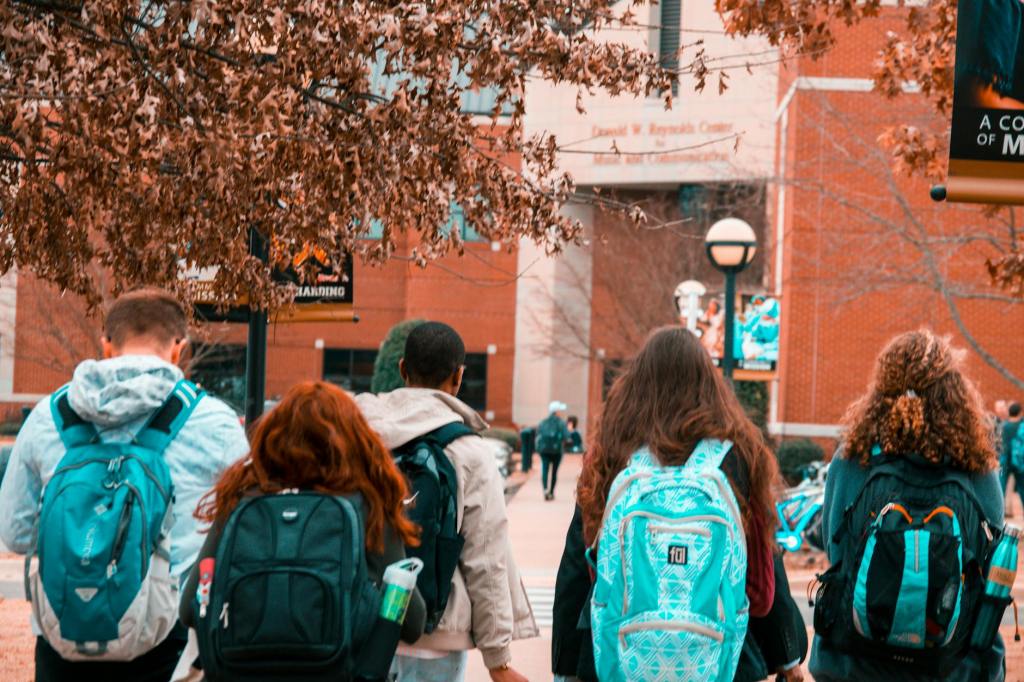
College is where one leaves behind bickering with parents over curfews, graduating to battles with strangers on Twitter about taxes. It’s the perfect age where one is forming ideologies before being corrupted by HOA boards and rate increases. It’s not a secret.
Enter Turning Point USA.
Led by Charlie Kirk, Turning Point has emerged as a campus conservative equivalent of Coachella—only with Reagan chic over music and glitter. They roll onto college campuses in large buses, fill up large auditoriums with tacky talks by Ben Shapiro or Candace Owens, and hand out “Socialism Sucks” flyers (headline alert: not necessarily nuanced thought).
Their objective? Radicalize. Recruit. Rally. Repeat
Don’t think the right cornered this market, though. On the left, outfits like Sunrise Movement, NextGen America, and even Instagram and TikTok social media personalities are mobilizing college kids, too. You’ll see climate justice posts, student loan debt, Gaza protests, or reproductive rights—typically hashtagged and re-posted into echo chambers before you can say “algorithm.”
The difference? One group is passing out pocket Constitutions, and the other group is passing out voter registration cards. They’re each competing for a slice of people’s brainspace who newly realized how to do laundry.
Culture war battles are America’s latest favorite pastime (after gas-price bickering, at least). They are long, intense battles over identity, values, and control over what’s “normal.” They’re fought over everything from race, gender, and education to free speech, policing, and even bathrooms.
It’s amazing how quickly these battles have spilled onto college campus—enlarging mundane student life into flashpoints. A poster pinned up in a dorm can be a headline. A tweet by a professor can be a national uproar. A student protest can fuel a primetime roundtable.
Let us be clear: dissent is healthy. Activism is effective. Debate is vital to a working democracy. What is not healthy is students being used as pawns in political theater they did not enlist in.
From Activism to Anxiety
This is nothing novel. Historically, university campuses have traditionally been breeding grounds for protest. Consider:
- The Free Speech Movement at Berkeley in the 1960s.
- Anti-Vietnam War demonstrations across the country.
- Divestment from Apartheid South Africa in the 1980s
But today we see a culture war in real time played out on quadrangle lawns and Reddit forums. In 2023, a reception at Stanford’s Federalist Society broke out into a free-for-all after a judge was shouted down from the podium. In 2024, Columbia’s campus dissolved into protests against the Gaza war—resulting in over 100 arrests and a week’s blazing controversy in the press.
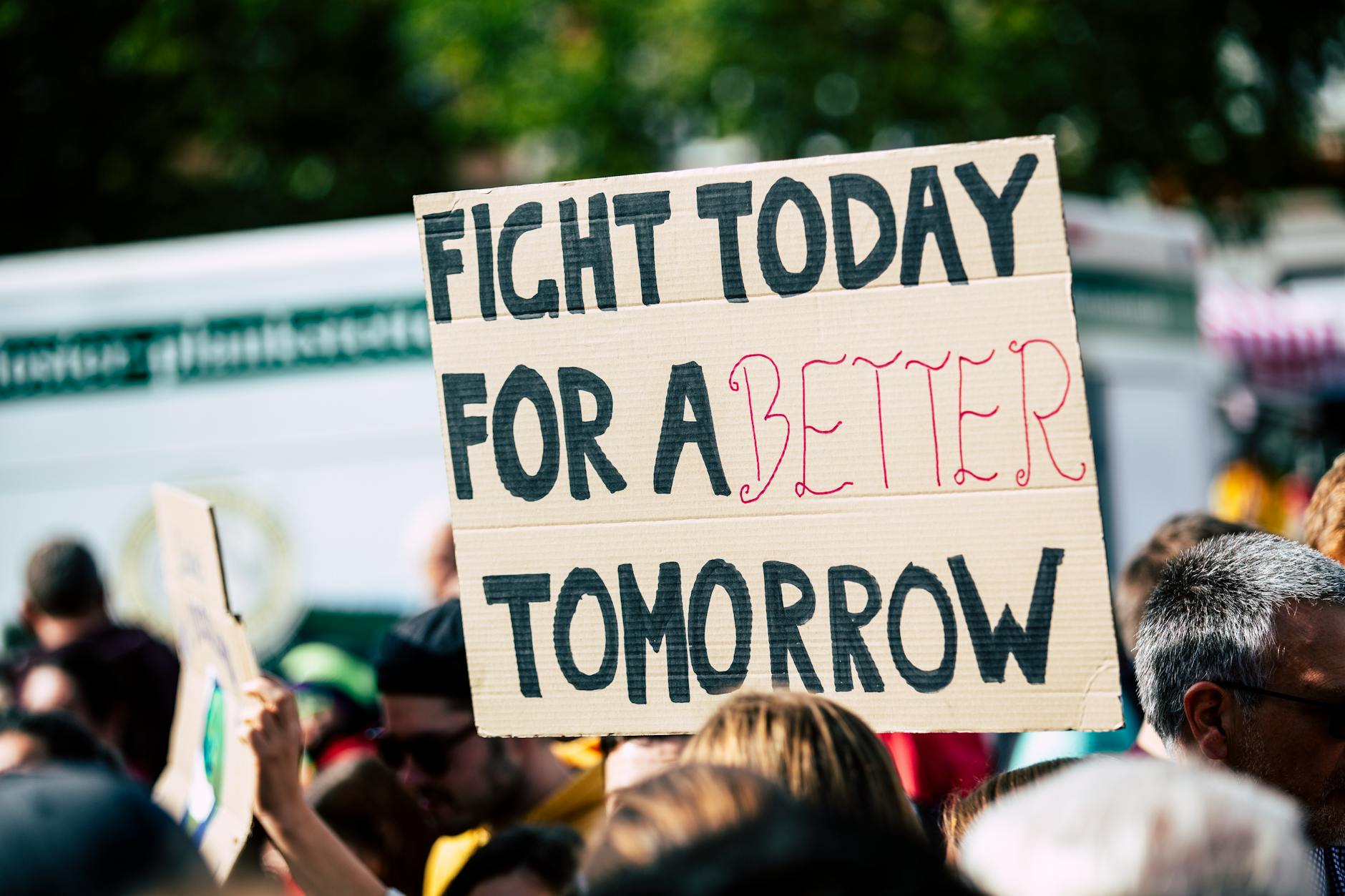
Yes, Gen Z makes noise. We march, we post, we tweet. That’s because the stakes are real. Climate change exists. The student loan crisis exists. The threat to bodily autonomy? Likewise very real.
But the problem is not that young people are not concerned. The problem is that those in power want to weaponize care.
Why This Matters (Even If It’s “Just” Opinion)
I’m sure a few people out there are going to read this and say, “Oh, college kids. They’ll grow out of it.” But campus dynamics never stay on campus. College kids are future journalists, lawmakers, teachers, and business executives. The ideas we cultivate here don’t get lost—those ideas incubate, they get louder, and they change our country.
This isn’t a left versus right thing. All parties, all political leaders, all media are guilty of creating these fights. Some create them for attention. Some create them for clicks. Some create them for power.
So, then what? Students are labeled before they even open their mouths. If you criticize a social issue, you’re “woke.” If you’re criticizing a protest, you’re a sellout. If you keep your mouth shut, your silence is labeled “violence.” And if it’s constantly “us versus them,” critical thinking doesn’t get a chance. It gets substituted by tests of allegiance, emotive opinion-spouting, and people yelling at each other instead of even listening. So, sure, this piece is opinion. But the sense of urgency exists. Because if we do not start valuing thinking over reacting, learning over polarizing, and nuance over noise— we’re not losing a generation of thinkers. We’re building a generation of echo chambers. Let us do better. Let us question. Let us give each other space to develop without turning our politics into performance art. Because becoming politically conscious doesn’t necessarily equate to becoming politically armed. At least not at your 9 a.m. lecture.

 Au Fiat
Leave a comment