
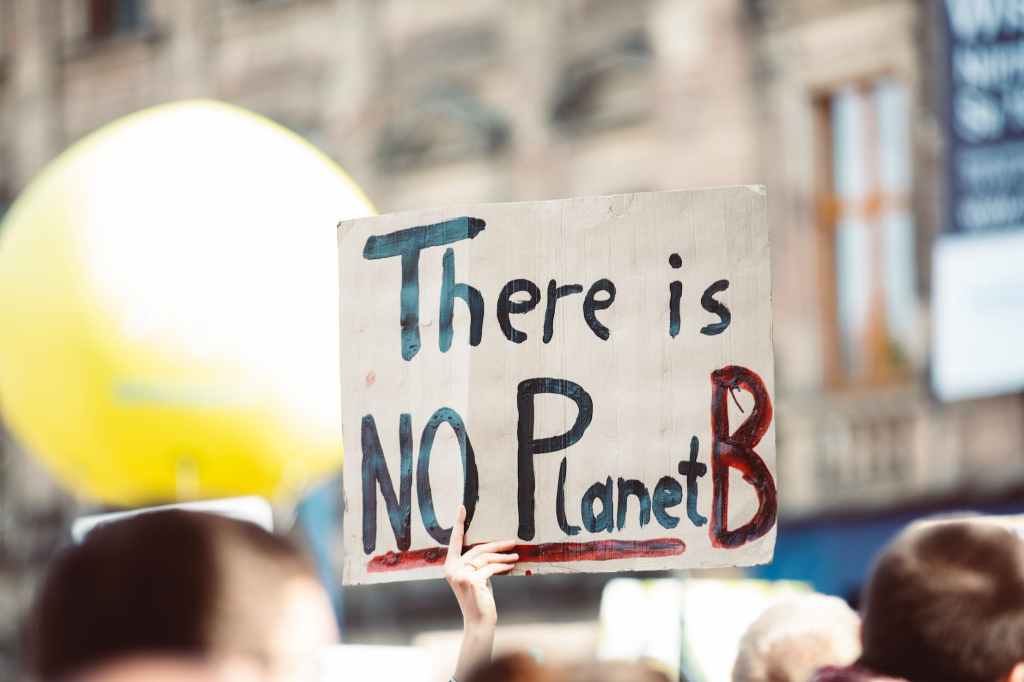
The report by the Intergovernmental Panel on Climate Change (IPCC) has confirmed what many of us already knew. The climate crisis is real. It is urgent and potentially catastrophic. The report warns that we have less than a decade to limit global warming to 1.5°C above pre-industrial levels, or face irreversible and devastating consequences for humanity and the planet.
As a society, recycling should be mandatory and be brought up to light as a crucial matter. Recycling is something we all have to do as global citizens, it’s more than a personal decision. Mandatory recycling makes sense in a world where environmental issues are a major concern. It is desperately needed where waste is growing. Resources are running out, and climate change is a real threat. We can create a cleaner, greener, and more sustainable world for future generations by requiring recycling. For every piece being recycled by at least one person, it makes a huge difference. If we are all willing to make this happen, we will have a brighter future than what we have right now.
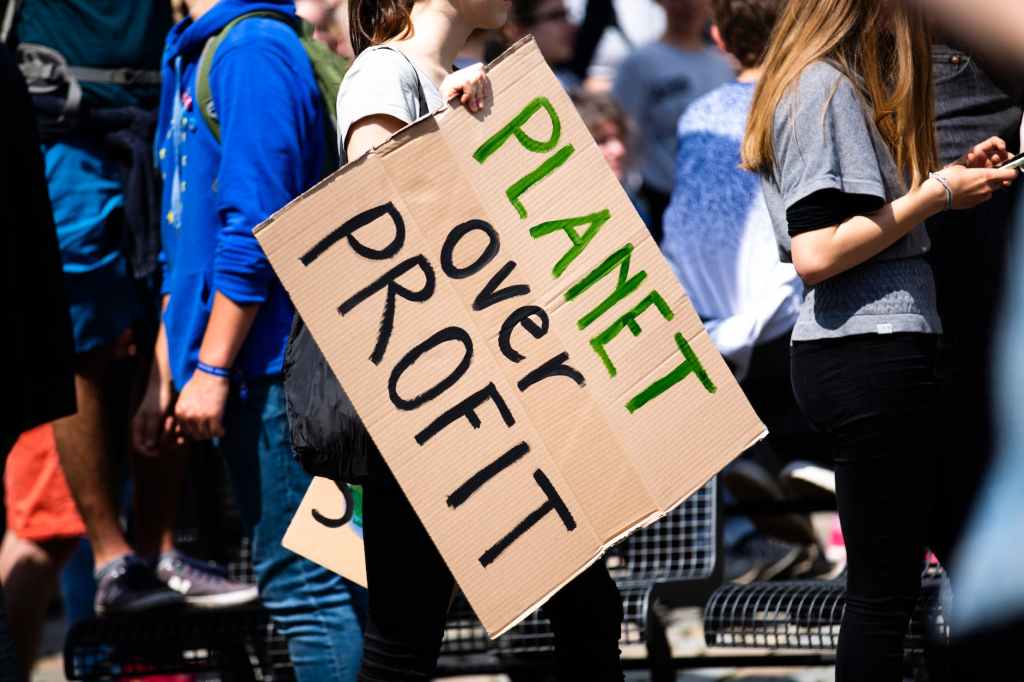
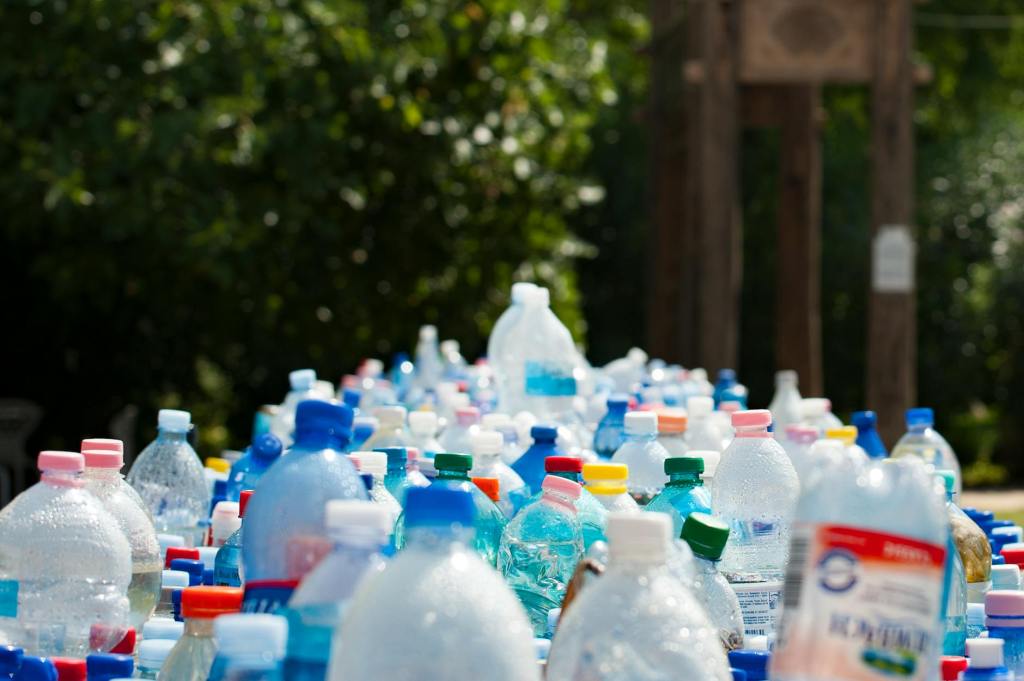
Enforcing recycling laws is mainly inspired by the idea that they can help protect the environment. We may greatly cut down on the amount of waste that ends up in dumps by directing recyclable materials from them, which will reduce the danger of air, water, and soil pollution. Recycling further lessens the requirement for raw material collection and processing, which lessens energy use, the release of greenhouse gasses, and deforestation.
These environmental advantages are essential for maintaining biodiversity and reducing the effects of climate change. Recycling laws encourage the protection of precious natural resources. Paper, aluminum, and plastic are just a few of the items that are produced by taking limited resources out of the Earth, which causes those resources to run out. These materials can be recycled and reused, which reduces the need to extract resources, allowing their environmentally friendly utilization and reducing our need on raw materials.
In addition to its positive effects on the environment, making recycling mandatory has several financial benefits. The recycling area has the ability to create work in a variety of fields, including manufacturing, processing, and collection and sorting. By attracting resources and supporting the growth of small companies, these industries may boost local economies.
As well, recycling programs can lower the prices related to managing garbage for local governments, who often pay the cost for dumping of waste. Waste can be redirected from dumps so that resources can be used for greater needs in society. Applying recycling laws is an effective way to inform the public about waste production and its effects on the environment. People are given the opportunity to participate in trash management and create healthier eating habits when recycling is made mandatory. It builds an environmental mindset in communities and builds a sense of own responsibility to the environment. Recycling can have a greater positive impact on society if these behavioral changes lead to a more environmentally friendly culture over time.
There is a strong argument for the idea of making recycling mandatory. Through the protection of natural resources and the reduction of pollution, it offers important environmental advantages. In addition, it offers economic advantages like creation of jobs and waste management cost savings. Mandatory recycling can hasten environmental preservation. It can also foster economic growth by encouraging behavioral changes and promoting worldwide cooperation. Following this strategy is key to creating a more solid and environmentally friendly future for everybody.



 Au Fiat